
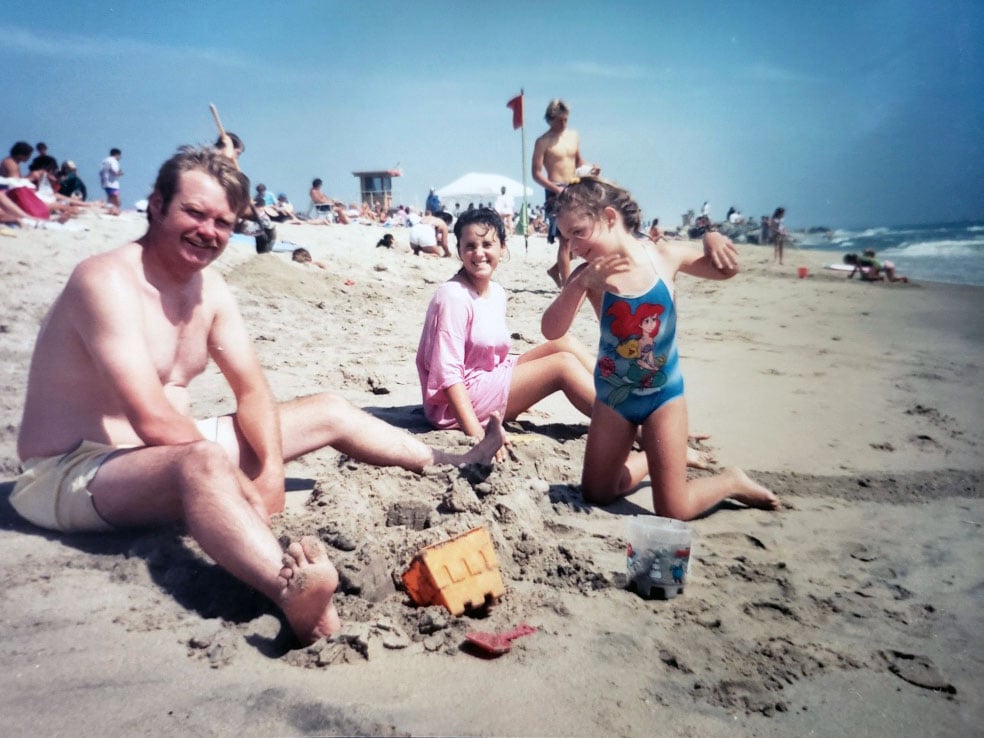
Why I chose to be an advocate:
Although being autistic was nothing new to me, I did not see myself or my life through that lens until I was in my mid-30s. It changed everything and nothing over a few years. Since then, I knew I needed to get out what felt like lifetimes' worth of grief, rage, and gratitude.
I had so many questions that followed the “what now?” thoughts: How did others like me make it through? Did they find alternatives? What support do adults, minorities, and women have now, especially if they are isolated or abused?
During my diagnosis, the doctor told me I should consider becoming an advocate for others after hearing my story during the diagnostic process. I wanted to help, but I did not see my life as a success. I saw it as a failure due to the weight of unmet expectations placed on me, and therefore, by myself to myself as proxy. What was truly best for me (and what could only ever be the foundation forward) was lacking. Wasn't hope supposed to be what advocates offer?
During my search for answers, I found the A.W.E. Initiative. I read the stories of other women and saw mirrors in our stories: so many had been misdiagnosed like me, struggled at work and school, and were misunderstood. I read about those who flourished, or at least kept their heads above water, with support from spouses, disability benefits, and niche jobs. Many were creatives: writers, artists, crafters, and/or experts in their "special interest" fields.
Support stood out the most. Whatever the flavor of neurodivergence, they could hold their own in who they were, but less support meant more doubt and struggle, which would exacerbate their natural challenges.
So if support was what mattered most, maybe I needed to expand my idea of what that could really look like beyond the externals. Then maybe my story of “not success” could show another type of hope: one that acknowledges how far someone has already come as evidence of how far they can truly go. This was also a part of steady foundations (the internal ones that matter most). Hope built not on anyone else's timeline or society's expectations of perceived value, but on intrinsic worth. It was acknowledgement of the strength and qualities it takes someone who is different to get to where they are in any current moment or chapter, and to keep going.
I could offer an inside-out guiding light towards better days, not waiting on them to come passively, but by showing how to become more resilient through building self-trust in order to face the days that aren't so good, in order to fully enjoy the better ones when they arrive, instead of always rushing forward to prove worth and capablility.
Sharing my story was also a way to remind myself that having a diagnosis helped me see myself more accurately and lovingly, and to help others do the same. Especially since the road to getting the right diagnoses can be years (decades even) long before you are even given a shot at validation outside of you.
Prior to the diagnosis, I was dismissed as trying to make things fit or told, “You are just quirky; that has always been you.” Not by strangers, but those closest. It was not always in the spirit of dismissal to avoid caring, it was often the opposite- a response born out of fear of my future and the helplessness associated with not having a plan that would work for me as it did others.
So it is unfortunate that such validation needs to happen before your struggles are taken seriously, and that we as neurodivergents often feel we need that permission to accept that when we know we are doing our very best and falling short, we internalize it before having patience and understanding for ourselves until we have answers that truly make sense.
This acknowledgment would remain very important as I would continue to advocate for others who are undiagnosed and/or different, in a world where doubt is rife and compassion is scarce. Sometimes, planting seeds is the best you can do.
My Diagnosis Story
(Intro Excerpt)
"Being autistic can often be likened to seeing a duck in water: On the surface, we may seem like everything is fine, but beneath the water, our legs are paddling like hell to stay afloat." -Auriel
My life before my diagnosis was vastly different from the one I'm stepping into now. I spent most of my life trying to figure out what was wrong with me. But in hindsight, that search led to a level of self-awareness I might not have developed had I been diagnosed sooner.
That doesn't erase the heartbreak I'm still processing—all the "what-ifs" of had I been noticed earlier, or the support and leeway that I never received, and how it all compounded to erode my inner and outer compass. I was always chasing a carrot for an explanation as to why so many of my efforts seemed in vain: It felt like I was somehow ahead of the curve and way behind all at the same time.